CỔNG THÔNG TIN DINH DƯỠNG QUỐC GIA
VIETNAM NUTRITIONAL PORTAL
VIETNAM NUTRITIONAL PORTAL
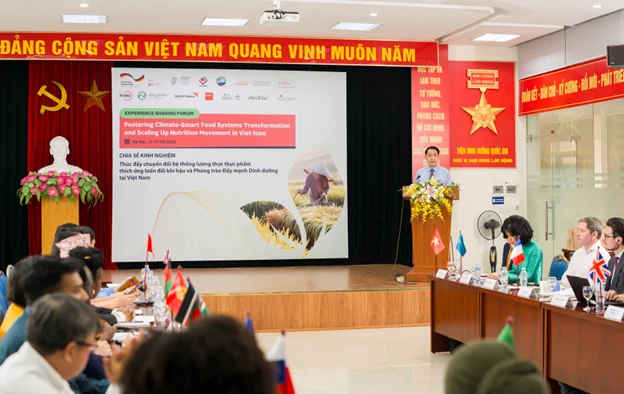
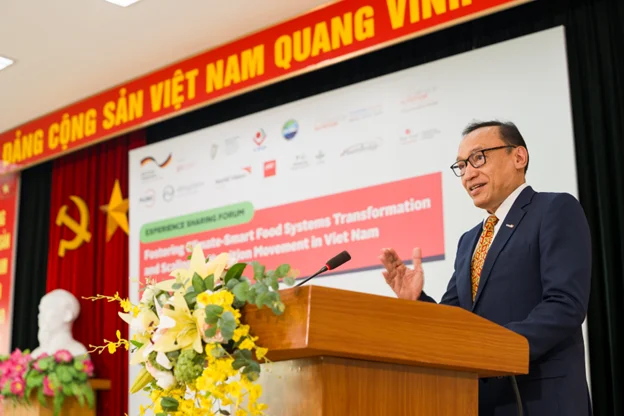
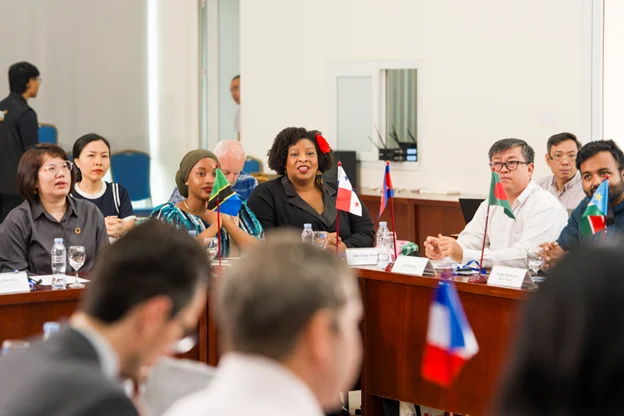
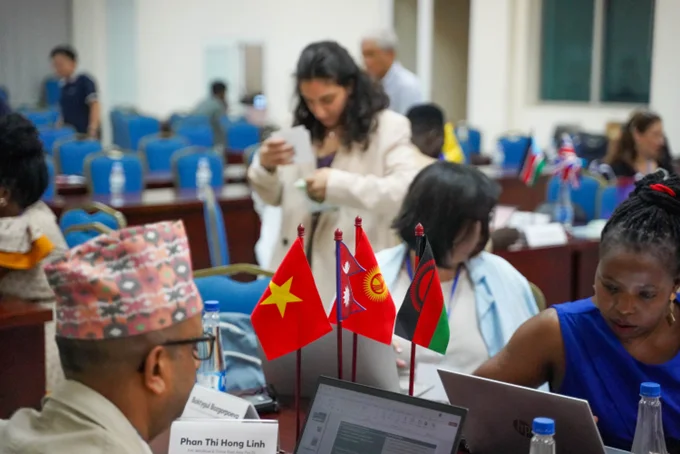
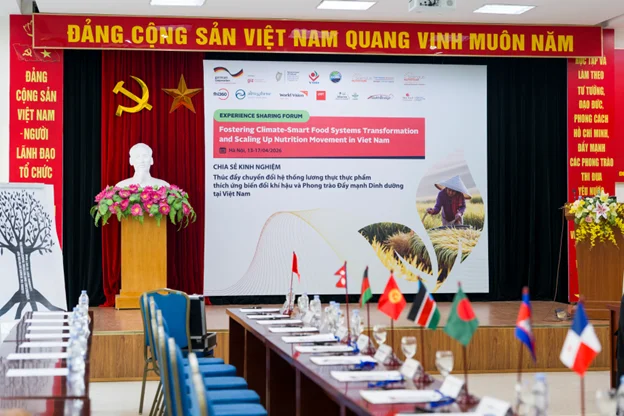
From April 13 to 17, 2026, in Hanoi, the National Institute of Nutrition under the Ministry of Health organized and welcomed an international delegation of the Scaling Up Nutrition (SUN) Movement to visit and participate in a learning programme in Viet Nam.
The learning visit is an important activity within the framework of a global initiative aimed at “bridging the gender gap in nutrition and promoting climate-resilient food systems transformation.” The five-day programme provided a comprehensive learning journey, combining policy dialogue, international experience sharing, and field visits.
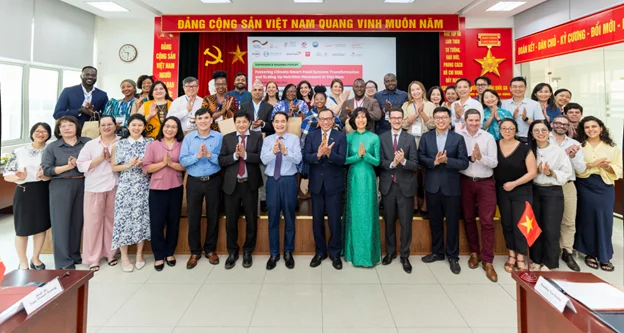
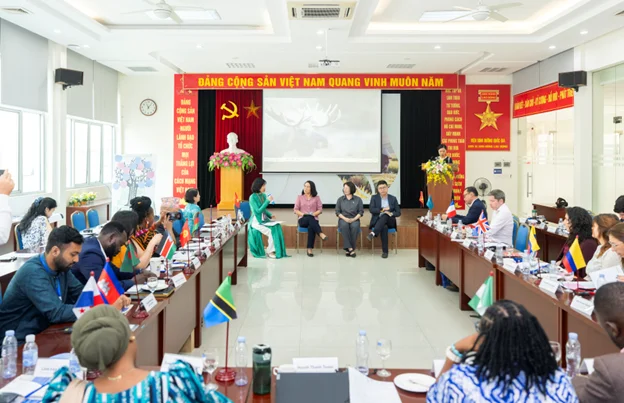
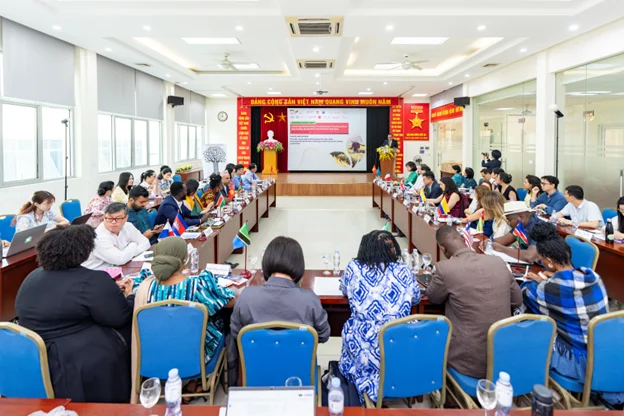
In Hanoi, delegates participated in in-depth discussion sessions on how Viet Nam implements integrated approaches linking nutrition, health, and food systems, emphasizing the role of multisectoral coordination and political commitment in improving sustainable nutrition. A highlight of the programme was the field visit to Thanh Hoa province, where delegates directly explored intervention models integrating nutrition, livelihoods, and climate change adaptation. In particular, the Farmer Managed Natural Regeneration (FMNR) model demonstrated effectiveness in ecosystem restoration, increasing food productivity, improving nutrition, and enhancing community resilience. In addition, livelihood and eco-tourism models led by women, particularly ethnic minority women, have contributed to improving income and nutritional status at the local level.
Through exchange activities, group work, and action plan development, delegates not only learned from Viet Nam’s experience but also shared initiatives and practical lessons from various countries. A key outcome of the learning visit was the development of concrete action plans aimed at translating knowledge into interventions and policies appropriate to each country’s context. The visit also reaffirmed an important message: nutrition is not solely a health sector issue but is closely linked to agriculture, gender equality, environment, and social protection. Improving nutrition, particularly for women and children, requires a comprehensive, multisectoral approach and close collaboration among countries and development partners.
The National Institute of Nutrition believes that the outcomes and partnerships established through this learning visit will continue to be promoted in the coming time, contributing to advancing sustainable, climate-resilient nutrition initiatives and towards a better future for women, children, and communities worldwide.
Some images of the delegation in Viet Nam